VEGETABLES
Vegetables have been traditionally defined as in general terms as “parts of plants that are consumed by humans or other animals as food” and can include the flowers, fruits, stems, leaves, roots and seeds. An alternative definition of the term - which is the one we will focus on in this section – will include savory fruits like tomatoes and cucumbers, flowers such as broccoli and cauliflower, and seeds like snap beans and green peas.
Artichoke
Cynara cardunculus var. scolymus

Origin: The artichoke is believed to have come from a wild cardoon, which is native to the Mediterranean region. Artichoke cultivation likely began in what is now Italy during the fifth century BCE and gradually made its way through southern Europe. The artichoke arrived in Half Moon Bay, California in the 1920s. Nearby Castroville considers itself the "Artichoke Capital of the World." Marilyn Monroe was crowned Castroville's "Artichoke Queen" in 1948.
Nutrition: Artichokes provide dietary fiber, potassium, vitamin C, magnesium and folate.
Medicinal Value: Artichokes are rich in antioxidants, which help regulate blood pressure, lower cholesterol, aid digestion and improve liver function.
Broccoli
Brassica oleracea var. Italica
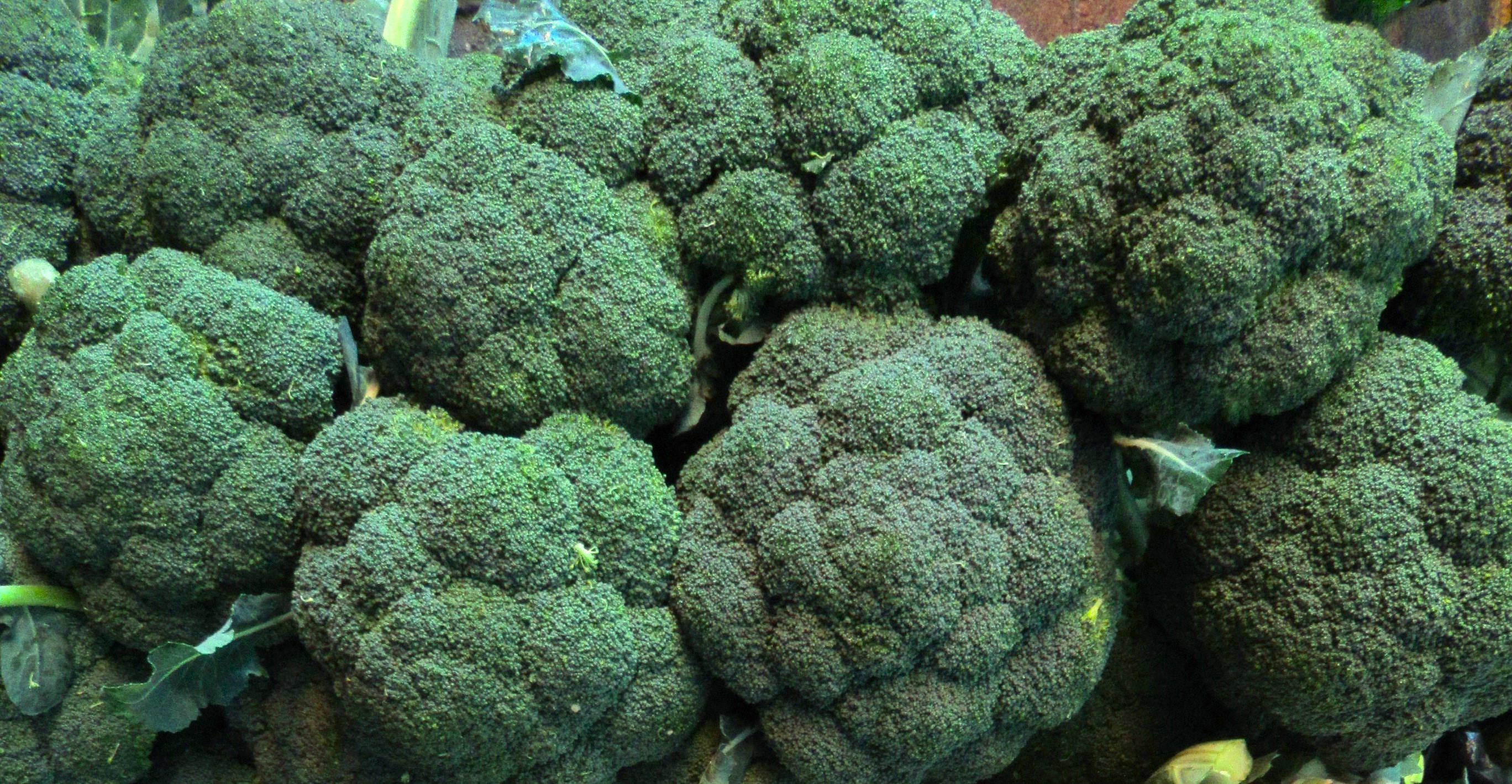
Origin: Roman Empire / Italy
Nutrition: In addition to dietary fiber, broccoli provides calcium, iron, phosphorus, potassium, zinc, B vitamins and vitamins E and K.
Medicinal value: Like cauliflower, kale, Brussels sprouts and cabbage, broccoli is a cruciferous vegetable that contains bitter, sulfur-containing chemical compounds that the plant produces to protect itself from insect predators. These phytochemicals have been found to help regulate blood sugar, slow osteoarthritis and have been linked to reducing the risk of developing cancer.
Carrots
Daucus carota
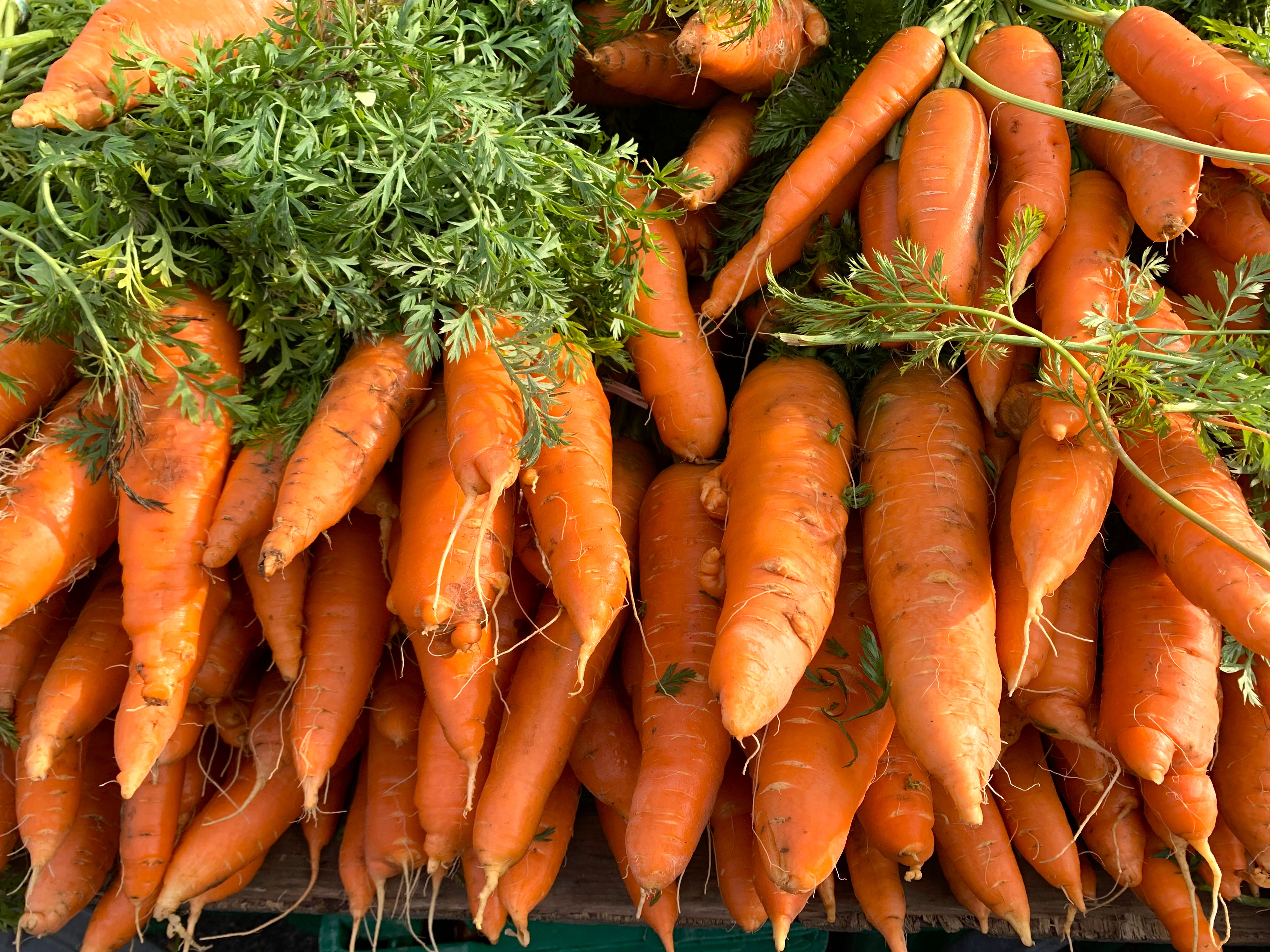
Origin: Probably in today's Afghanistan and Iran.
Nutrition: Dietary fiber, vitamins (especially beta carotene), vitamin C and vitamin K and other nutrients, including potassium.
Medicinal Value: Several phytochemicals in carrots reduce the risk of cancer and cardiovascular diseases due to their antioxidant, anti-inflammatory, plasma lipid modification, and anti-tumor properties. Carotenoids in particular have been found to help prevent cancer, cerebrovascular disease (CVD), human immunodeficiency virus (HIV) and cataracts.
Cauliflower
Brassica oleracea var. botrytis
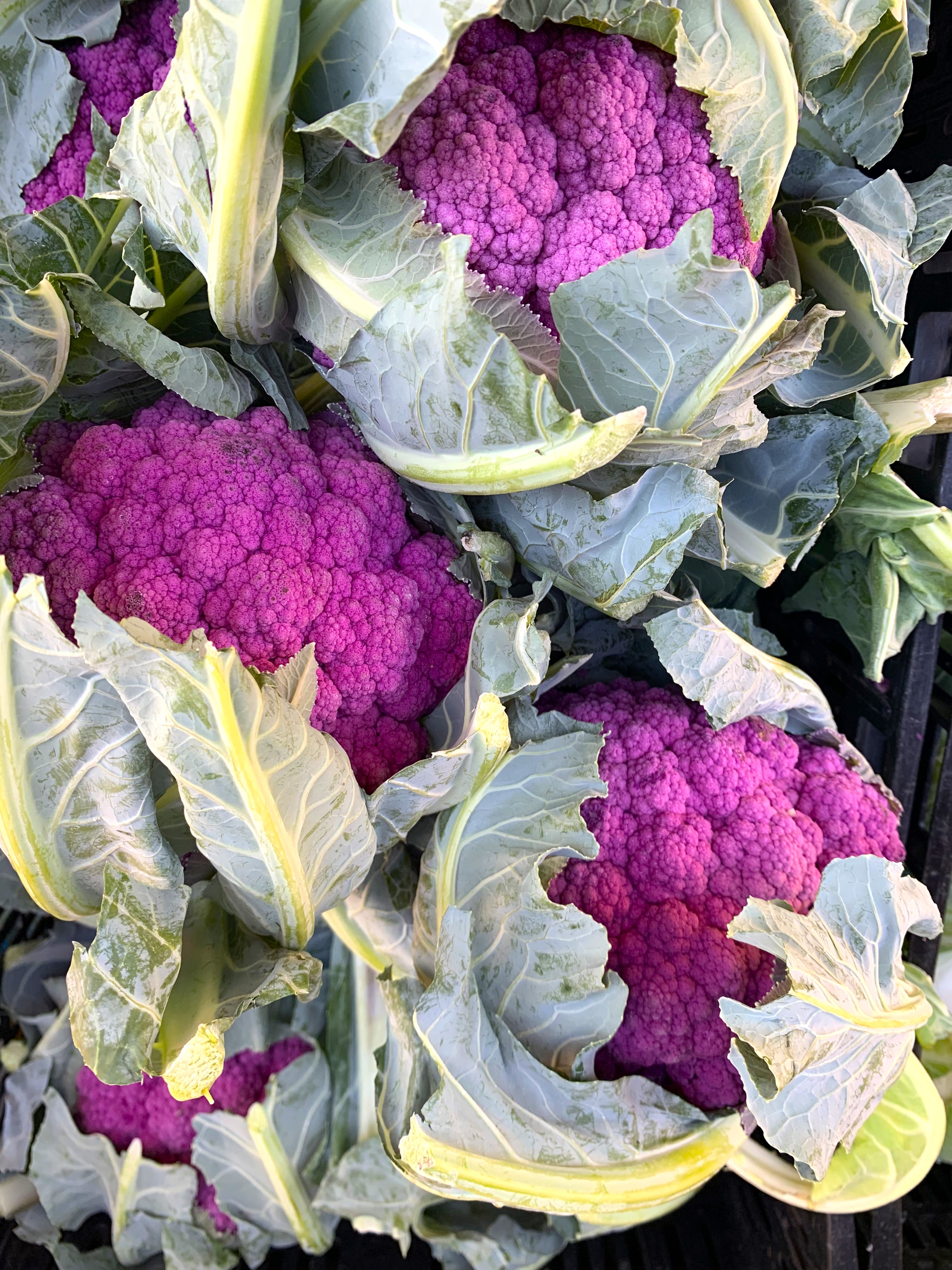
Origin: It is believed that cauliflower was first cultivated in the eastern Mediterranean region and in Asia Minor over two thousand years ago. The ancient Greeks and Romans were among the first to grow this versatile vegetable, which was later introduced to other parts of Europe by Arab traders. Cauliflower was first introduced to the United States during the 17th century, and was cultivated in California since the early 20th century. White cauliflower is the most common, although there are also purple and orange varieties.
Nutrition: Cauliflower is highly nutritious: it is packed with vitamins C, B6, K and folate. One small head of cauliflower has more than 125 milligrams of vitamin C, which is nearly twice as much as the vitamin C in a medium orange. Cauliflower is also a good source of dietary fiber, and is low in carbohydrates and calories.
Medicinal Value: Cauliflower contains a number of “good-for-you” phytochemicals (especially isothiocyanates and glucosinolates) that may protect against certain types of cancer.
Chili Peppers
Capsicum
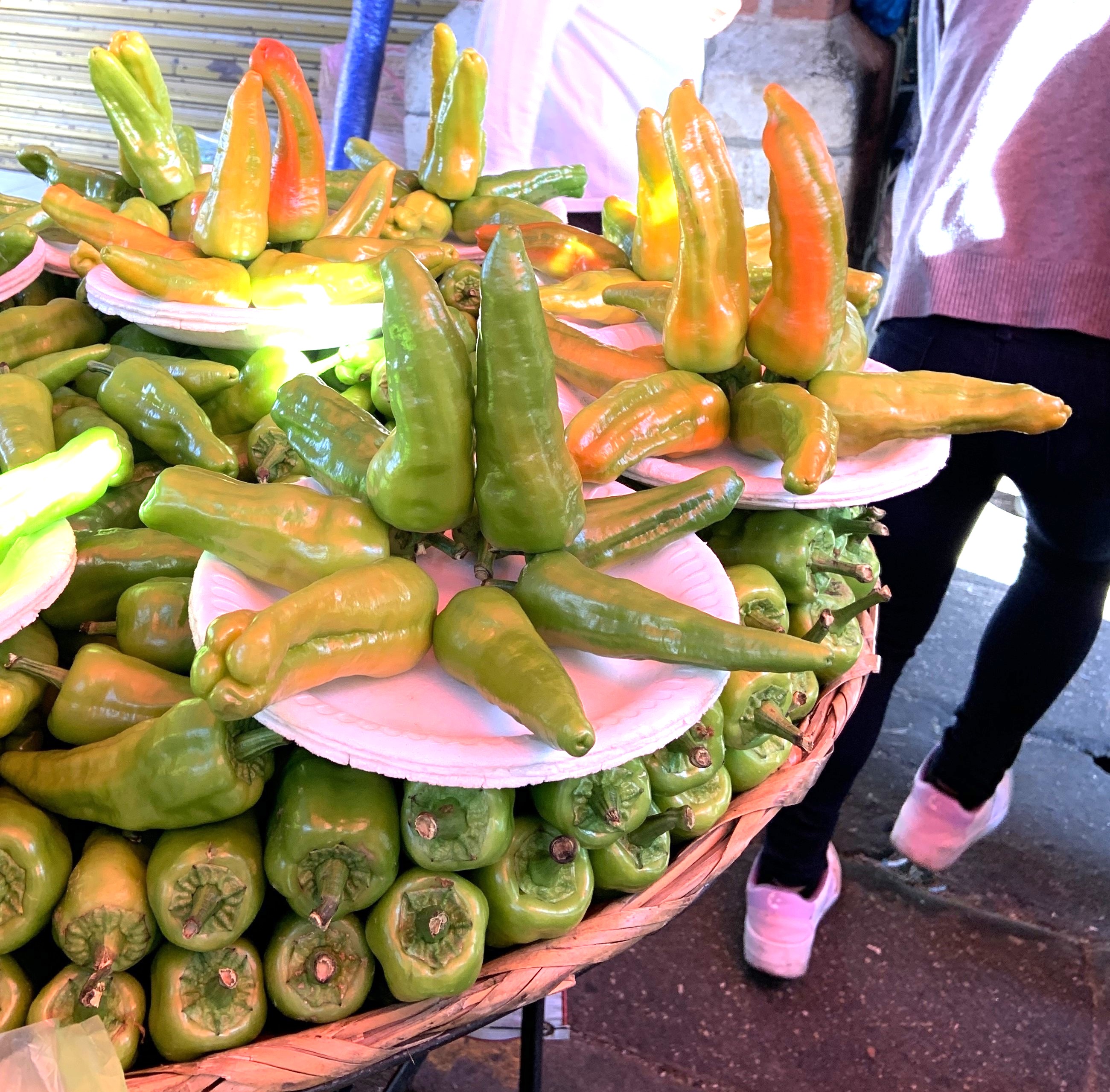
Mercado Juárez - Oaxaca, Mexico.
Origin: Indigenous to the Northern Amazon basin; later spread north through South and Central America, Mexico, the West Indies and what is now the southern United States.
Nutrition: Dietary fiber, vitamins A and C and iron
Medicinal Value: The capsaicin found in chili peppers help prevent and even treat a wide variety of health problems including obesity, diabetes, cardiovascular conditions, respiratory diseases, itch, gastric and urological disorders, pain-related conditions and cancer.
Corn
Zea mays
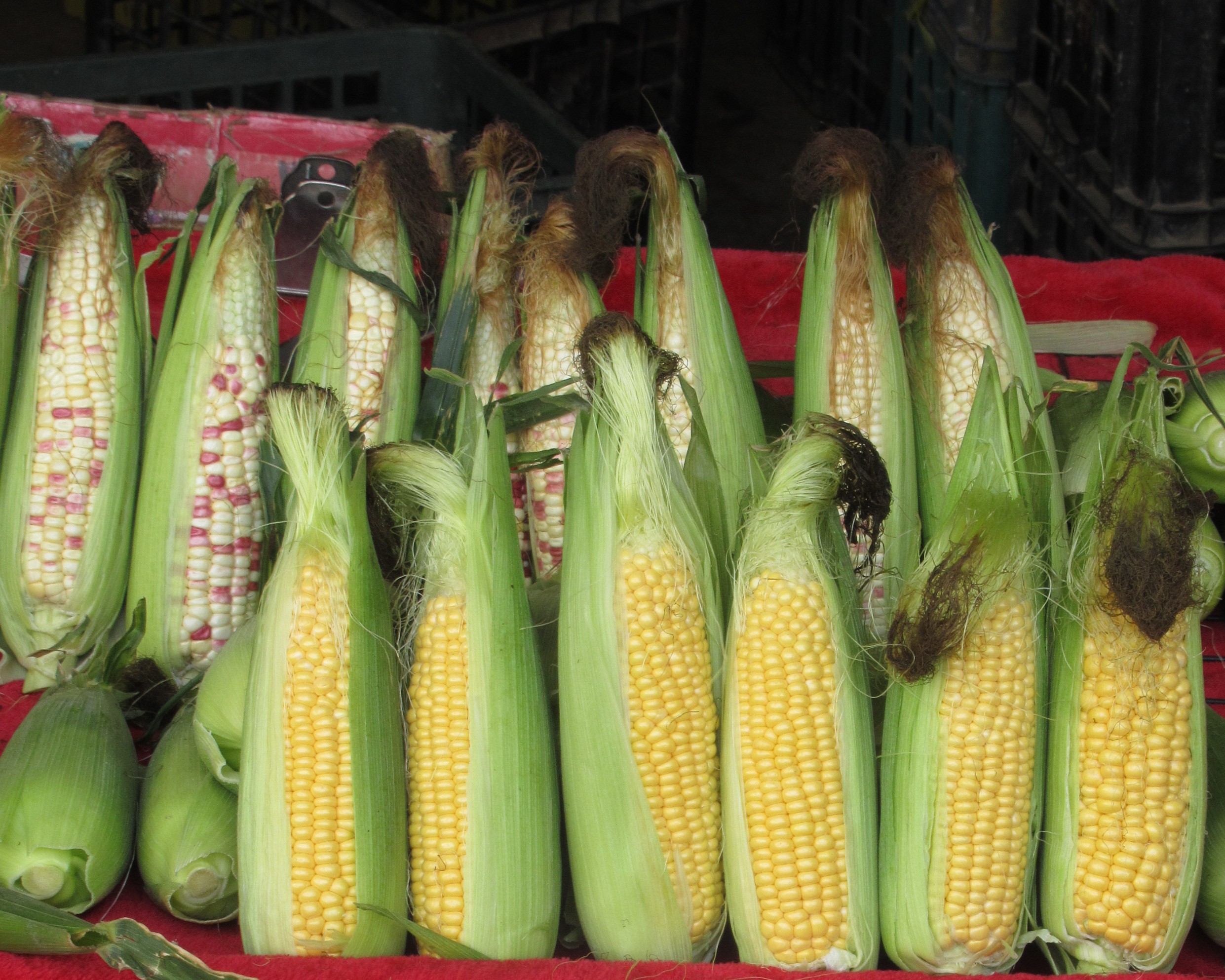
Origin: Recent archealogical research has traced the origin or corn to the Tehuacán Valley in Eastern Mexico some 10,000 years ago. It remains an essential food of many indigenous peoples of North America. Corn is highly versatile, and is considered to be both a vegetable and a grain.
Nutrition: Corn contains dietary fiber, vitamins C, B, E and K; magnesium and potassium.
Medicinal Value: Phytochemicals found in corn have recently been found to have antioxidant, antimicrobial, antidiabetic, anti-obesity, antiproliferative [inhibits tumor cell growth], liver protective, cardioprotective, and kidney protective activities.
Green Beans
Phaseolus vulgaris
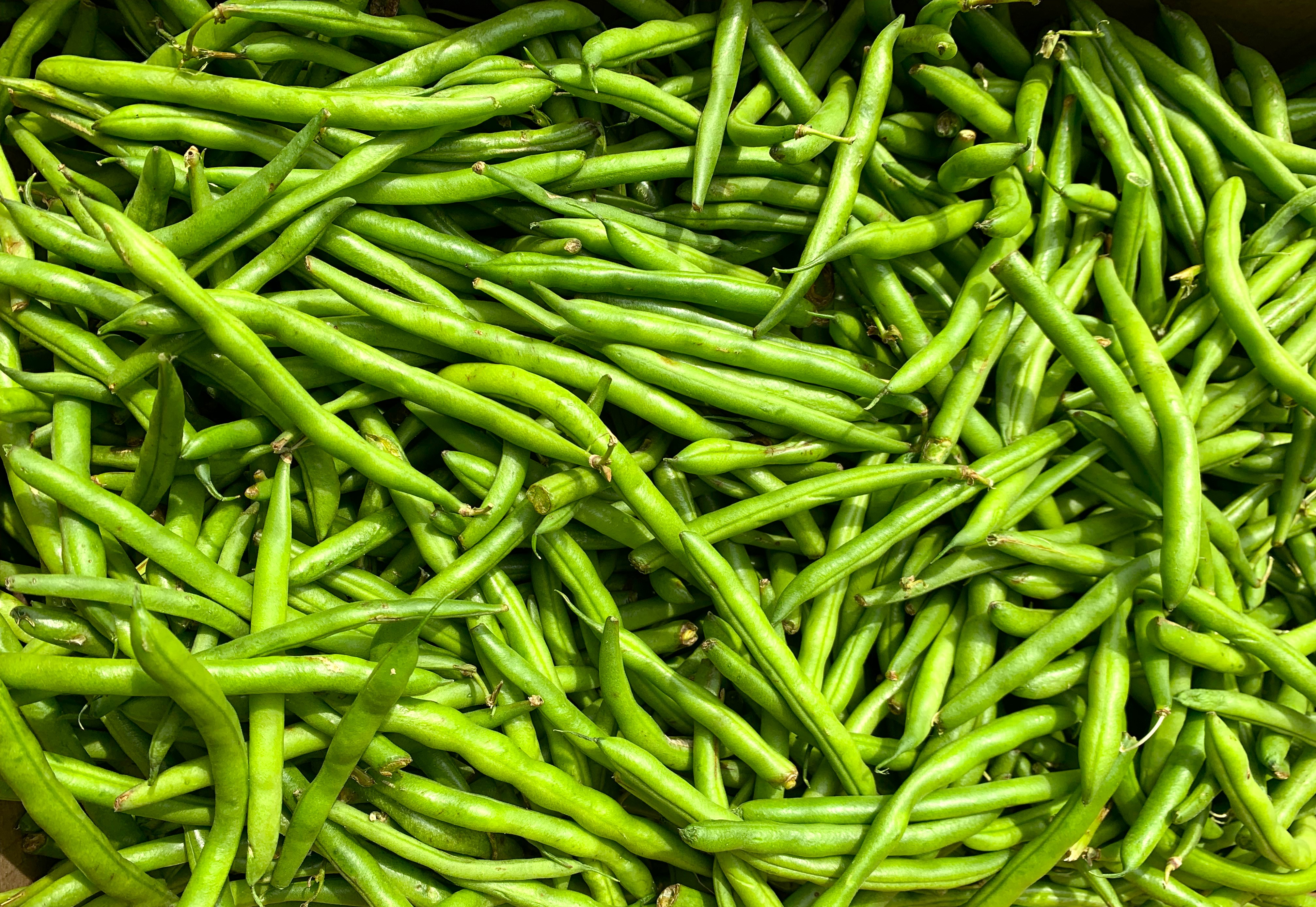
Origin: Beans are indigenous to both Mexico and the south Andes mountains in South America. They remain an essential food of many indigenous peoples of North, Central and South America.
Nutrition: In addition to dietary fiber, green beans contain vitamin C, vitamin A and several of the B-vitamins, including folate, thiamine and niacin. They also provide calcium, iron, magnesium, phosphorus, potassium and zinc.
Medicinal Value: Phytochemicals in green beans have been linked to a reduced risk of a wide variety of chronic illnesses including cardiovascular disease, high blood pressure, arthritis, diabetes, Alzheimer’s disease and cancer.
Kale
Brassica oleraceae
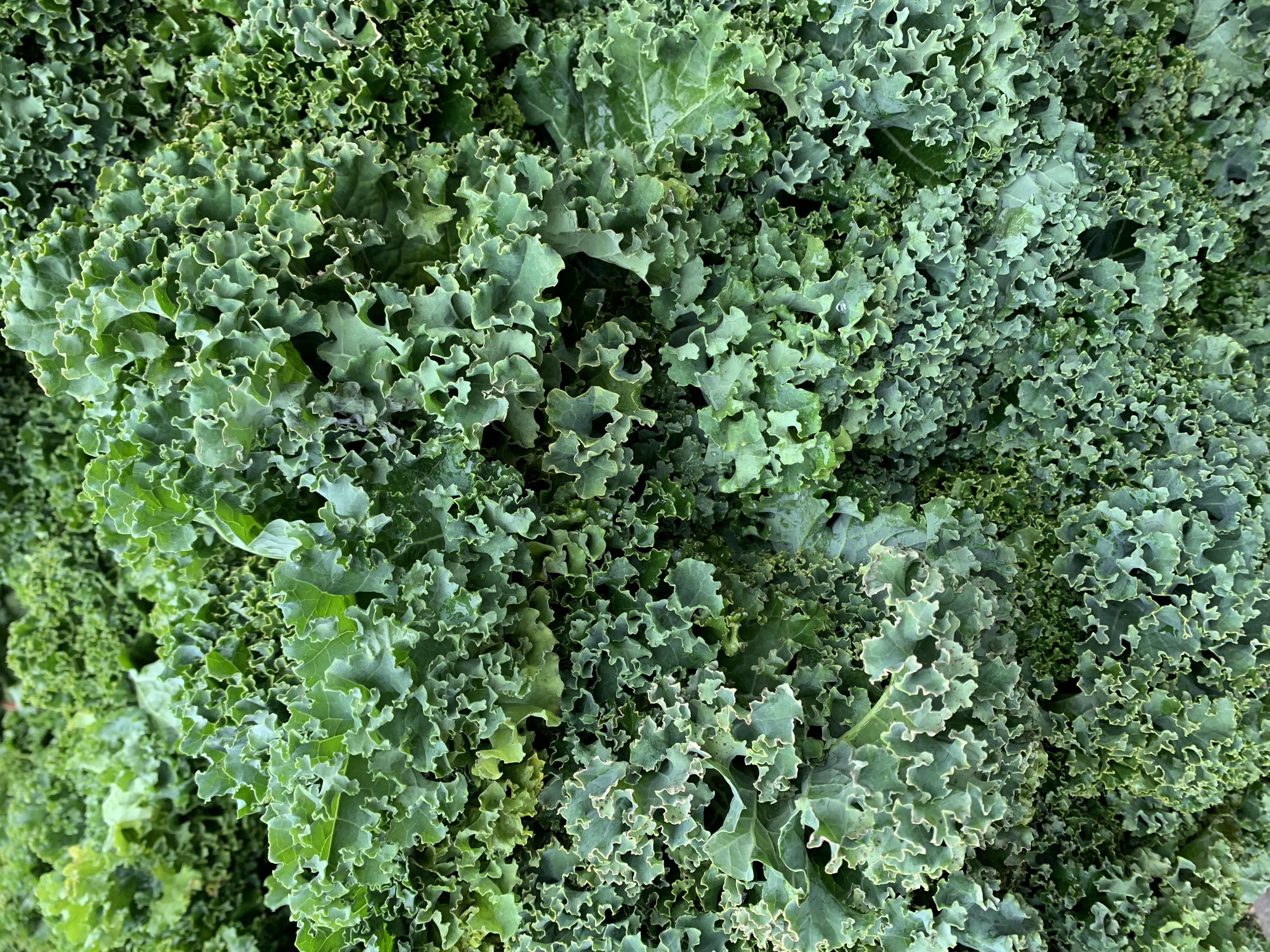
Origin: Kale likely originated in western Europe. Recent genetic investigations reveal that cabbages and cauliflowers stem from kales introduced from Western Europe to the Middle East, and were possibly transported over the tin-trade routes during the Bronze Age (300 – 1000 BCE) to be re-introduced into Europe later on. The Greeks grew kale more than two thousand years ago.
Nutrition: Kale is high in vitamins A and C. It is also a good source of dietary fiber, calcium and iron. Kale also contains a wide variety of health-promoting phytochemicals, including glucosinolates (GLSs) and isothyocianates (ITCs).
Medicinal Value: Kale is considered to be among the healthiest of vegetables. Recent epidemiological studies suggest that consumption of kale is associated with reduced risk of developing cancer and cardiovascular diseases.
Leeks
Allium porrum
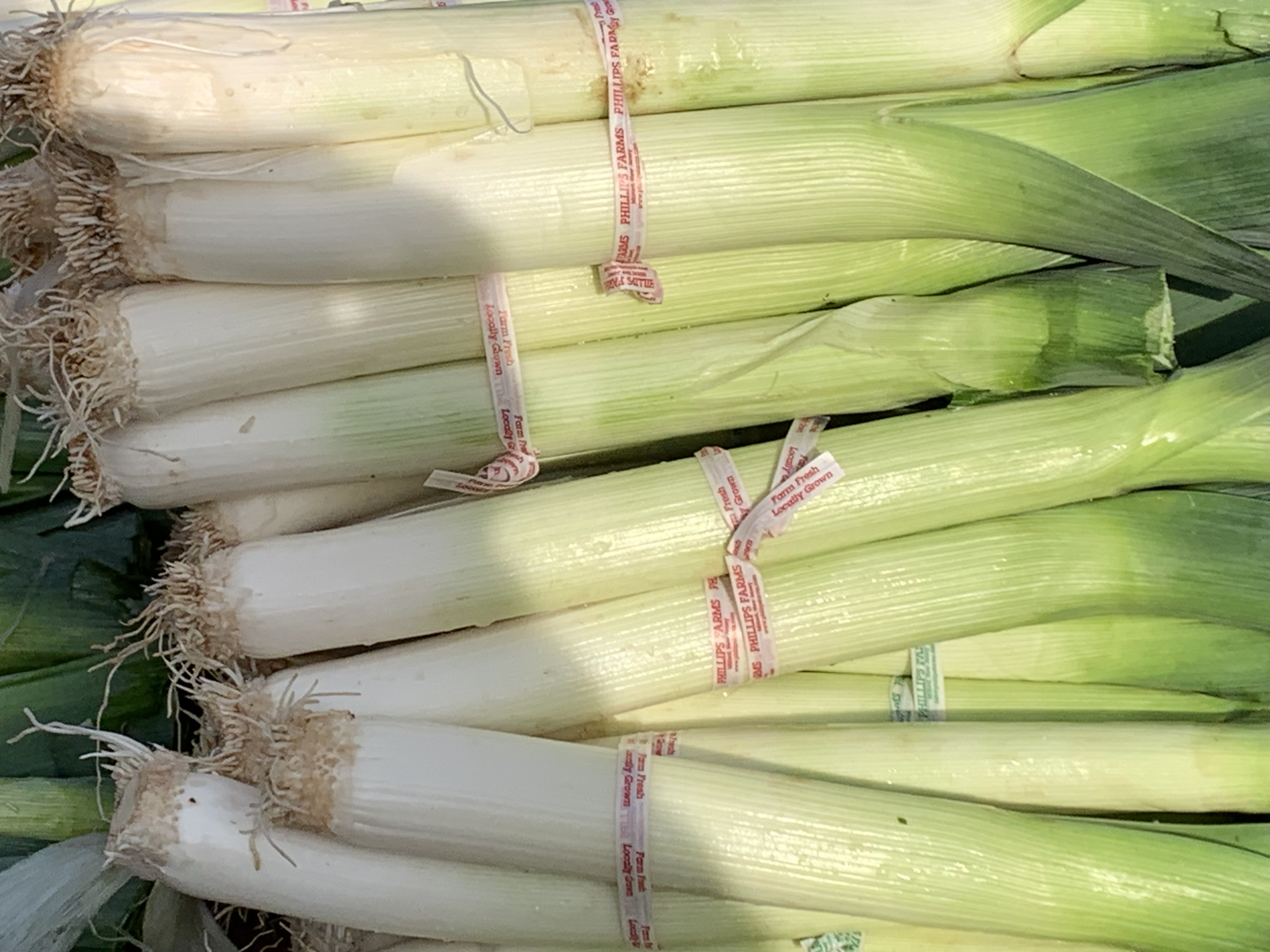
Origin: Leeks are indigenous to Western Asia and the Eastern Mediterranian. They were enjoyed by the ancient Egyptians, Greeks and Romans.
Nutrition: Leeks are rich in fiber and vitamin K, potassium and iron. In addition, they contain vitamin B folates, which play a part in cell development.
Medicinal value: Leek consumption is known to improve liver function and support the gastrointestinal tract; they also quicken metabolic processes, promote blood circulation, and regulate blood pressure. Leeks have also been found to help protect against anemia, enhance brain activity, and inhibit blood platelet aggregation and lower fat and blood sugar levels. Finally, eating leeks on a regular basis reportedly decreases the risk of prostate, colon, stomach and breast cancers.
Lettuce
Lactuca sativa
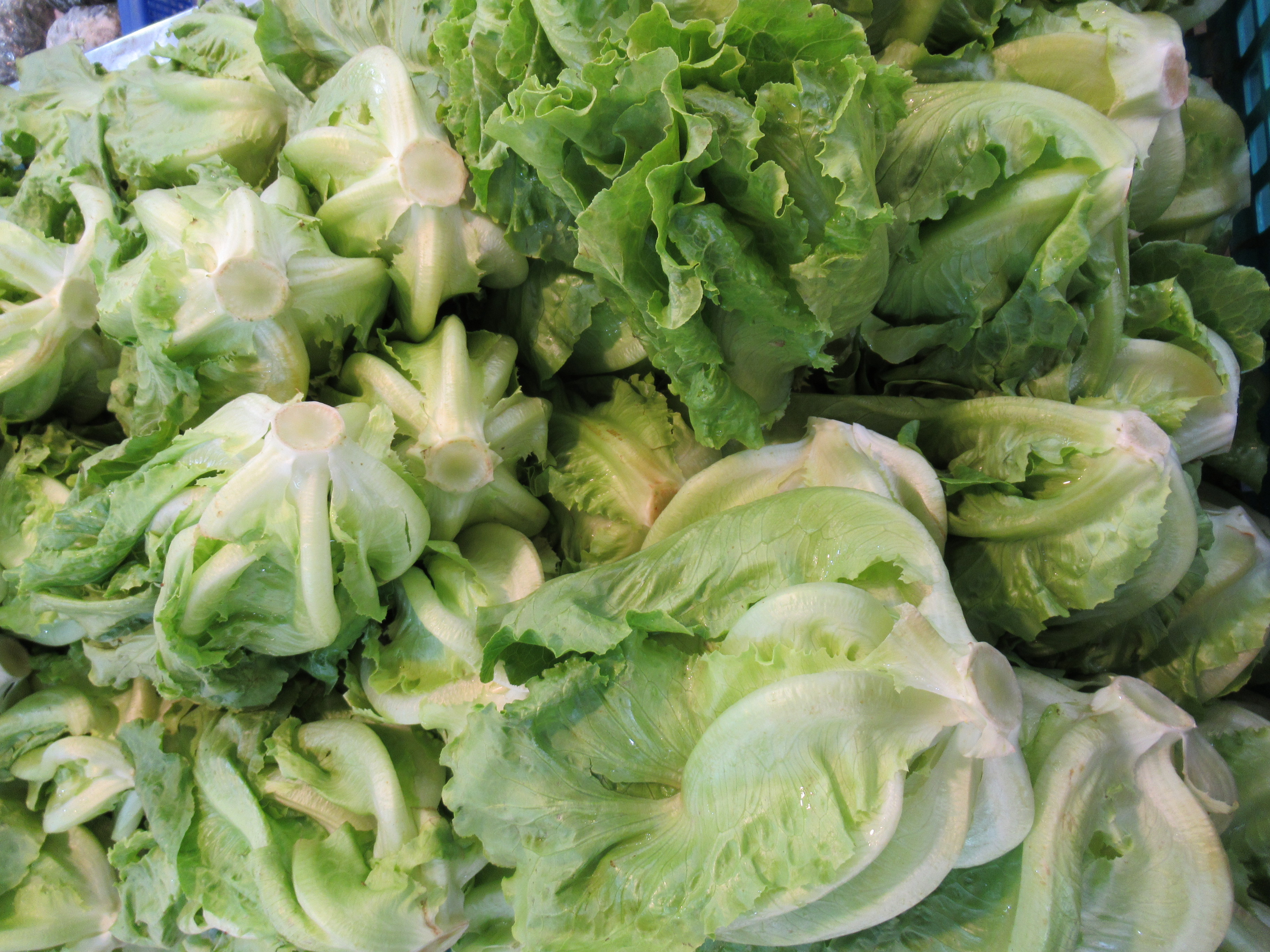
Origin: It was once believed that lettuce is indigenous to Egypt, but recent comparisons of genetic material show that the first cultivated lettuce grew in the Caucasus mountains about 6000 years ago. The main lettuce varieties developed later through breeding and selection in the Middle East, then in Egypt; cultivation later spread through ancient Greece and Rome, as well as central Europe. Lettuce was finally introduced to North America by Christopher Columbus in the late 15th century.
Nutrition: Lettuce is a good source of vitamin A, which promotes eye health and helps prevent macular degeneration. It is also rich in vitamin K, which helps strengthen bones. Lettuce is also 95 percent water, so eating lettuce (especially with other vegetables) helps increase hydration. Leafy lettuce varieties - such as the one pictured above - also contain folate, iron and beta carotene.
Medicinal value: Recent scientific studies show that lettuce has antimicrobial, antioxidant, neuroprotective and hypnotic (sleep-inducing) properties. The chemical composition of lettuce also reveals the presence of different classes of terpenoids, flavonoids and phenols which also promote good health.
Onions
Allium cepa
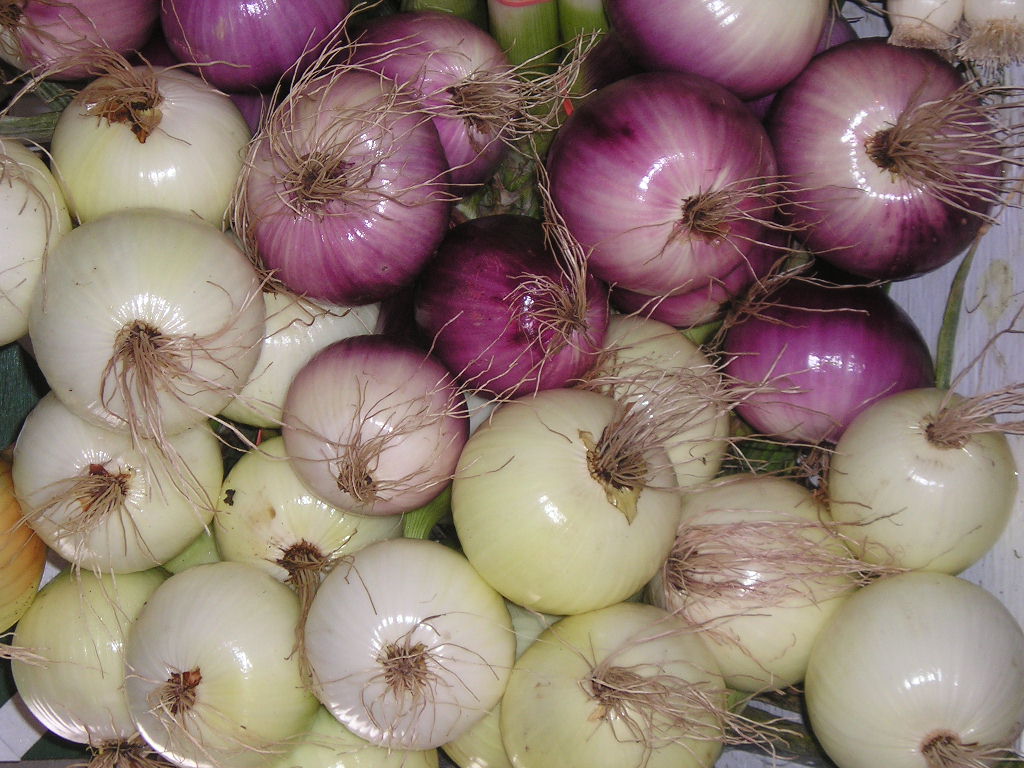
Origin: Many archaeologists, botanists and food historians believe that onions originated in central Asia. Other research suggests that onions were first grown in what are now Iran and Pakistan, and still others believe that it is probably a native of northwest India, Baluchistan and Afghanistan. Most researchers agree the onion has been cultivated for 5000 years or more. In addition to bneing transportable, they were easy to grow, and could be grown in a variety of soils and climates.
Nutrition: In addition to providing dietary fiber, onions are good sources of vitamin C, potassium, calcium and iron.
Medicinal value: Onion consumption has been associated with a reduced risk of cancer, heart disease and diabetes because of its high level of phenolic and flavonoid compounds that possess high antioxidant activity.
Potatoes
Phoenix dactylifera
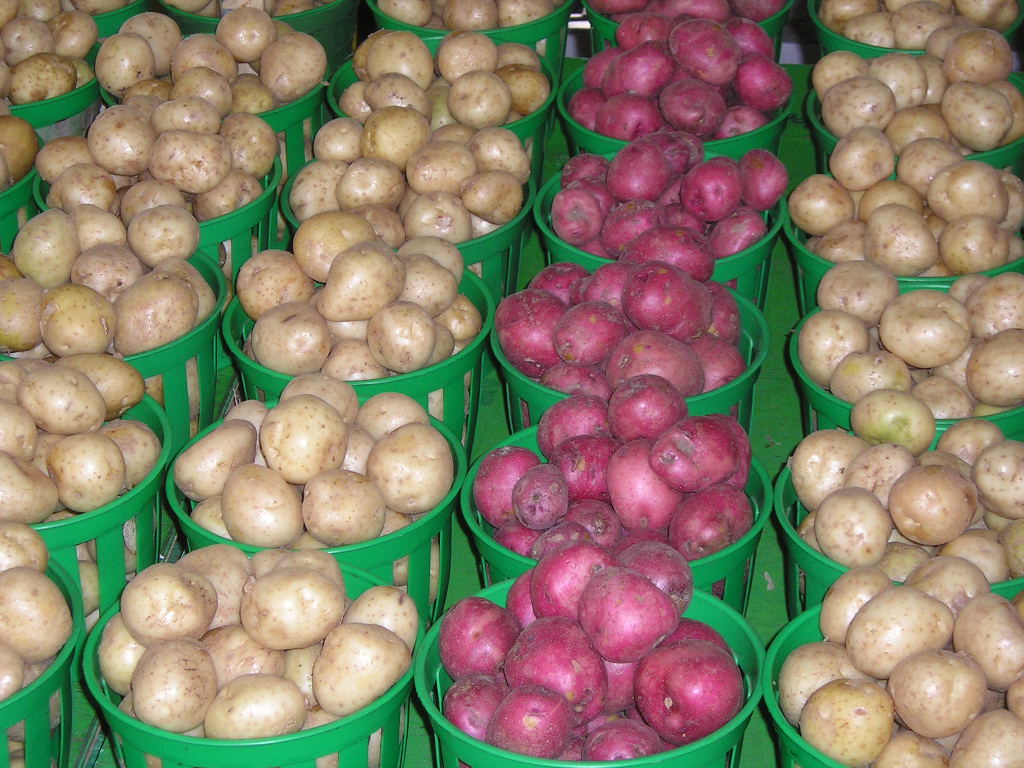
Origin: Although potatoes are most associated with Russia, Ukraine and Idaho, potatoes originated in the Titicaca Plateau, which includes today's Peru and Bolivia. Literally hundreds of potato varieties are still grown there.
Nutrition: Potatoes contain protein, vitamins (especially B and C); magnesium, iron, copper, zinc and potassium. They also contain a variety of antioxidants.
Medicinal value: Good for digestion. Potatoes (especially those with color, such as yellow, orange and purple varieties) contain anthocyanins and other antioxidants that may prevent heart disease and cancer; they may also support brain health. Potatoes of color also have a lower glycemic index (GI) than white potatoes, so they help maintain stable blood sugar levels.
Swiss Chard
Beta vulgaris, var. cicle
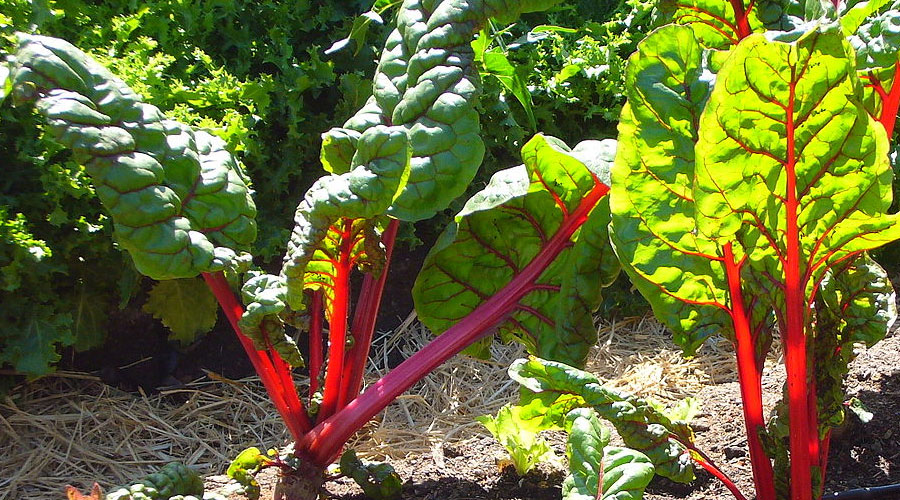
Origin: Swiss Chard originated in the Eastern coastal areas of southern Europe (it has no connection to Switzerland except for its name). It has been cultivated since the 3rd century CE.
Nutrition: This vegetable is a good source of dietary fiber plus high levels of vitamins A, C and K, along with magnesium, manganese, potassium, copper and iron. The leaves have the highest amount of fiber, sodium, magnesium and vitamin C, while the stems are high in potassium.
Medicinal value: Swiss chard contains kaempferol, an anti-inflammatory compound that may have anticancer properties; another phytochermical - vitexin - may help prevent heart disease by lowering blood pressure, reducing inflammation and blocking the formation of blood clots. The high fiber content of chard can support both good digestion and elimination while helping to regulate blood sugar levels.
Tomatoes
Solanum lycopersicum
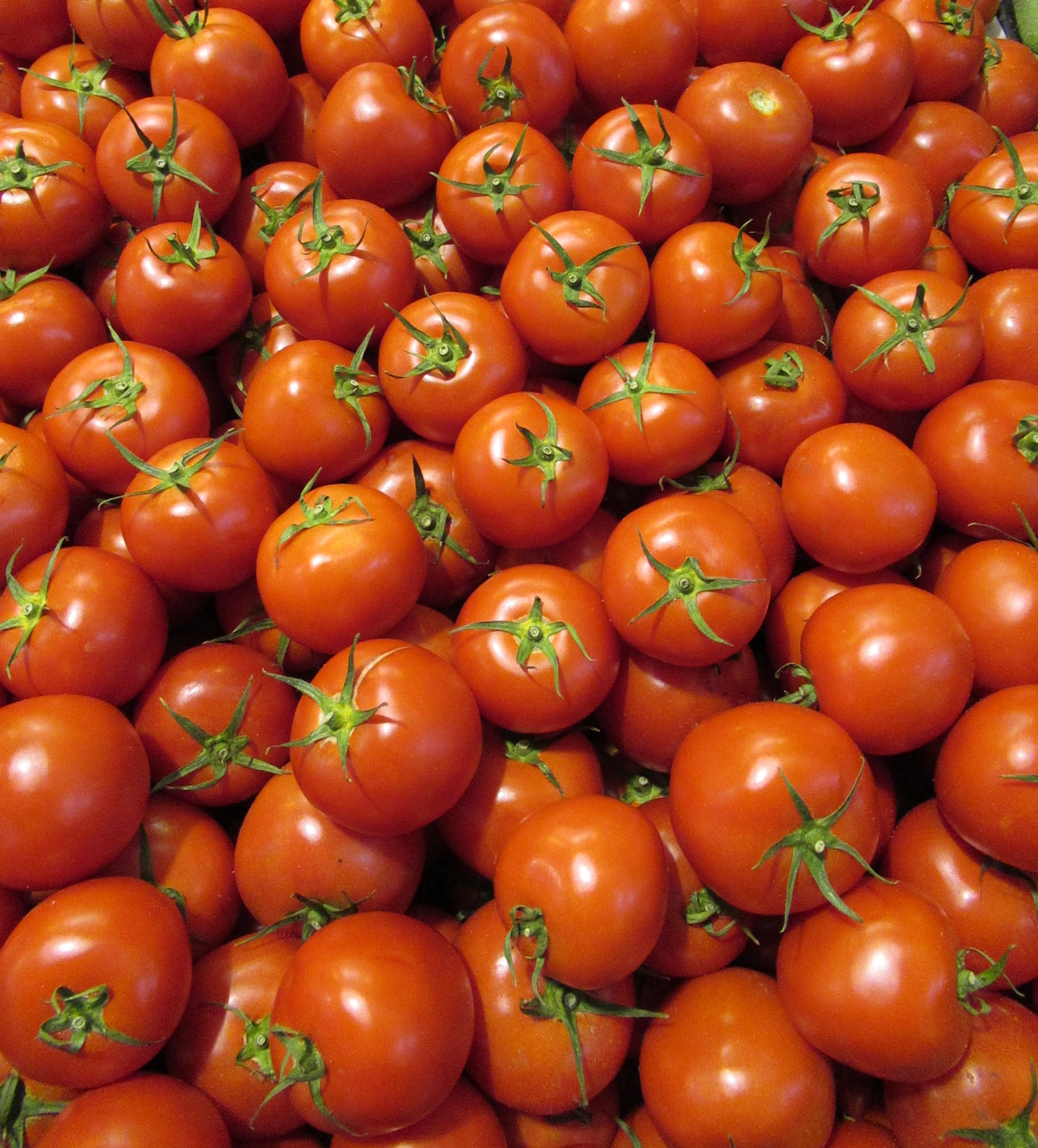
Origin: Although most prople believe that tomatoes originated in Italy, all cultivated tomatoes can be traced to a single species that grew wild in South America. There are sixteen relatives of this species, and they thrived in the narrow coastal region from northern Chile through Peru to Ecuador - including the Galapagos Islands - about 80,000 years ago. Domestication of these wild (blueberry-sized) tomatoes began some 7000 years ago in Mesoamerica.
The name “tomato” comes from the Aztec Nahuatl word tomatl.
Nutrition: In addition to providing dietary fiber, tomatoes are rich in vitamin C, vitamin A and a variety of antioxidants.
Medicinal value: Red tomatoes are a good source of lycopene, which has been found to lower the risk of heart disease. By combining tomatoes with olive oil, one can improve the body’s utilization of lycopene. Recent clinical studies suggest that eating tomatoes on a regular basis reduces the risk of lung, prostate and stomach cancer.
